
 English
 Italian
 Spanish
 Thai
 Japanese
 Portuguese
 Korean
 Russian
 French
 German
 Polish
 Arabic
 Indonesian

Selecting a reliable 2-Amino-N-[2-(2-chlorobenzoyl)-4-nitrophenyl]acetamide manufacturer requires more than comparing quoted prices and nominal purity. For pharmaceutical intermediates and specialty chemical materials, the manufacturer’s ability to maintain consistent product quality, document analytical results, control process variation, and support repeat orders can directly affect downstream development and manufacturing. A technically qualified supplier should therefore demonstrate not only that a material can be produced, but also that its quality attributes can be measured, reproduced, and verified from batch to batch.
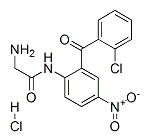
The first step is to establish the intended material specification and confirm the compound’s identity. Its long systematic chemical name makes accurate identification especially important during inquiry, quotation, sample shipment, and purchase documentation. Buyers should confirm the supplier’s exact product designation, available chemical identifiers where applicable, molecular structure, and agreed specification before treating two offers as equivalent. This prevents confusion between similarly named compounds, related intermediates, and materials offered under different internal product codes.
Product Identity and Specification Control
A robust specification begins with an unambiguous definition of the material. The full chemical name, molecular structure, CAS Registry Number if verified, molecular formula, molecular weight, and product code should be cross-checked against the supplier’s technical documentation. A CAS number should never be inferred from a similar compound name; it should be confirmed against a reliable chemical reference and the manufacturer’s own records.
Purity is another important parameter, but a purity figure alone does not provide a complete picture of quality. For example, a specification stating a high percentage by HPLC may not reveal the presence of residual solvents, inorganic residues, water, or impurities that are not adequately detected under the selected chromatographic conditions. The analytical method, calculation basis, and reporting convention must therefore be understood before comparing results from different suppliers.
For a material intended for research or further pharmaceutical development, the specification may include appearance, identification, chromatographic purity, related substances, water content, residual solvents, and other attributes appropriate to the material and its intended use. Not every test is necessarily required for every grade. The correct panel depends on the compound’s established impurity profile, the downstream process, and applicable regulatory expectations.
The supplier should explain which parameters are release tests, which are monitored during production, and which are available upon request. This distinction helps establish whether a certificate of analysis reflects a controlled release process or simply reports a limited set of measurements.
Analytical Capability and Batch Consistency
A 2-Amino-N-[2-(2-chlorobenzoyl)-4-nitrophenyl]acetamide manufacturer should be able to provide an appropriate analytical package for the agreed specification. High-performance liquid chromatography is commonly used to assess chromatographic purity and related substances, while suitable spectroscopic or other validated techniques can support identity confirmation. The specific method should be appropriate to the compound and capable of distinguishing the target material from relevant impurities.
When reviewing a certificate of analysis, check the batch or lot number, test methods, specification limits, actual results, test dates where applicable, and authorized approval. A report showing only “pass” for every test may be sufficient for some routine commercial contexts, but numerical results offer greater visibility when evaluating a new supplier or investigating differences between lots.
Batch consistency is best assessed through a series of representative batches rather than a single favorable sample. Where available, historical results can help reveal whether purity, impurity levels, or physical characteristics fluctuate significantly over time. Any comparison should use consistent analytical methods and comparable specifications; differences in laboratory procedures can create apparent variation that does not necessarily reflect a real change in material quality.
The manufacturer should also have a defined process for investigating out-of-specification results, atypical chromatographic peaks, and customer complaints. A documented investigation process supports traceability and provides a structured basis for corrective and preventive action when a genuine quality issue is identified.
Manufacturing Controls and Process Reliability
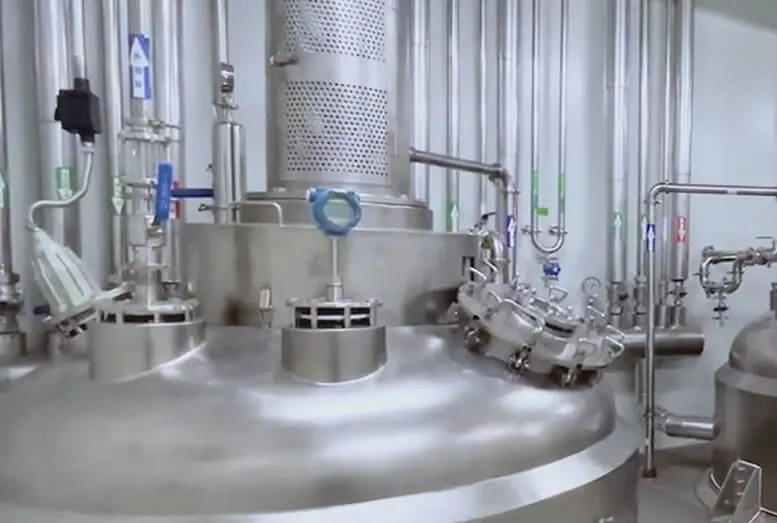
Reliable chemical manufacturing depends on control of raw materials, reaction conditions, work-up, purification, drying, and packaging. The exact production route for this compound should not be assumed from its name alone. Instead, a qualified manufacturer should be able to explain, at an appropriate level of confidentiality, how critical process parameters are monitored and how the final product is verified against its release specification.
Temperature, reaction time, reagent quality, mixing, pressure where relevant, and purification conditions can influence reaction completion and impurity formation. Their importance depends on the actual synthetic route. A mature manufacturing process establishes appropriate operating ranges, defines the response to deviations, and maintains records that link production history to the finished batch.
Scale-up is another practical consideration. A process that performs well in a laboratory may behave differently in larger equipment because heat transfer, mixing, mass transfer, and filtration characteristics change with scale. The supplier should demonstrate that commercial production is supported by suitable equipment and documented controls rather than relying solely on laboratory results.
Jiangsu Jingye Pharmaceutical, founded in 1994 and restructured in 2016, describes itself as an integrated pharmaceutical enterprise covering research and development, production, and international trade. Its stated capabilities include high-temperature and high-pressure reactions, hydrogenation, chiral synthesis, and high-vacuum distillation. These capabilities may be relevant when evaluating the company’s broader process-engineering resources, but the suitability of any individual process must be confirmed against the specific compound and manufacturing route.
Documentation, EHS, and Supply Continuity
Quality documentation should be considered part of the delivered product. Depending on the commercial arrangement and intended application, relevant documents may include a certificate of analysis, safety data sheet, specification, packaging information, storage conditions, and shipping documentation. Additional manufacturing or quality records may be necessary for regulated development programs or customer qualification.
Environmental, health, and safety controls also matter when sourcing specialty chemicals. A responsible manufacturer should maintain procedures for chemical handling, process hazards, waste management, worker protection, and emergency response. The exact controls depend on the hazards associated with the material and the production process. Buyers should request appropriate safety documentation rather than assume that a supplier’s general certification automatically establishes the safety profile of a particular compound.
Supply continuity requires a separate assessment. Lead time, production scheduling, minimum order quantity, packaging configuration, shelf-life support, and the ability to accommodate repeat orders can all influence project planning. If a material is used in a critical development or manufacturing program, it is useful to understand how the supplier manages raw-material availability, production interruptions, and changes to manufacturing processes.
Jiangsu Jingye Pharmaceutical reports operating in accordance with GMP standards and holding a Drug Production License, ISO 9001, ISO 14001, and GB/T 45001 certifications. The precise scope and applicability of these credentials should be checked for the relevant facility and product category. GMP-related claims, in particular, should be evaluated against the intended activity and the applicable regulatory requirements rather than treated as a blanket guarantee for every product.
A Practical Qualification Approach
Supplier qualification is more efficient when requirements are agreed before commercial negotiations progress too far. Begin by confirming product identity, intended grade, specification, analytical methods, sample availability, and documentation requirements. Then assess manufacturing controls, batch history where available, packaging, lead time, and the supplier’s ability to investigate deviations.
For a new supplier, an initial sample can help verify that the material meets the agreed requirements, but a single sample should not be treated as proof of long-term consistency. Where the project risk justifies it, qualification may include review of multiple batches, additional identity confirmation, or a technical discussion covering process control and impurity management.
The most appropriate 2-Amino-N-[2-(2-chlorobenzoyl)-4-nitrophenyl]acetamide manufacturer is one that can demonstrate a clear connection between product identity, controlled manufacturing, reliable analytical results, and documented batch release. A disciplined evaluation reduces uncertainty, supports reproducible downstream work, and provides a stronger basis for a sustainable supply relationship.