


For pharmaceutical companies sourcing intermediates internationally, large-scale production involves three interconnected requirements: chemical process capability, manufacturing consistency, and regulatory control. A supplier may achieve high purity in a laboratory batch, but commercial manufacturing requires the same quality profile to be reproduced across larger reactor volumes and multiple production batches.

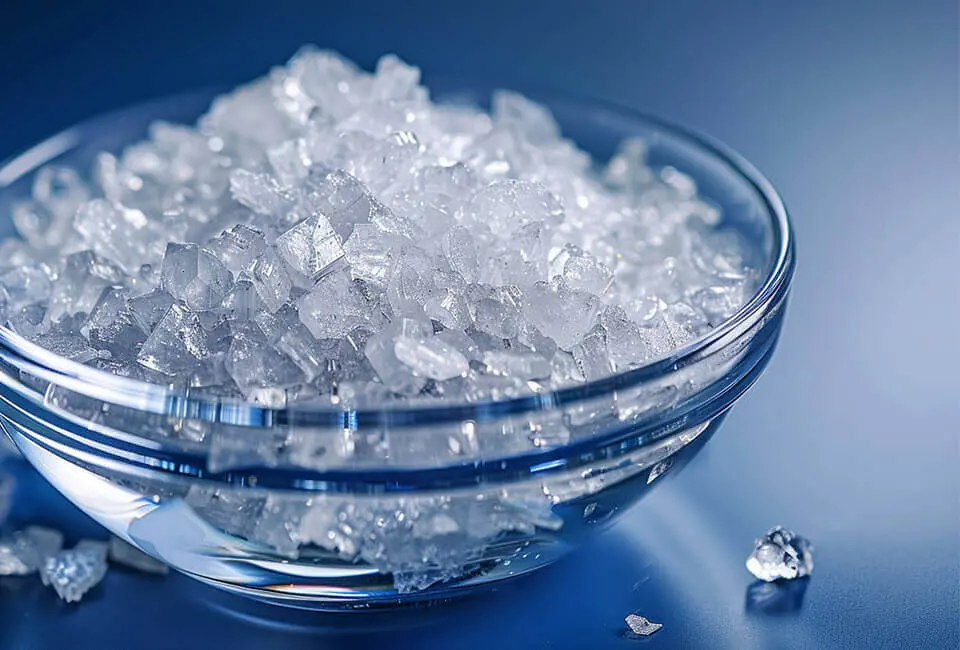
Scaling pharmaceutical intermediate production from laboratory synthesis to industrial batches creates a fundamental engineering challenge: the chemistry may remain unchanged, but the physical conditions surrounding the chemistry do not.

For pharmaceutical intermediates, moving from laboratory synthesis to commercial production requires much more than increasing reactor volume. Reaction heat transfer, mass transfer, mixing efficiency, pressure control, hydrogenation capability, vacuum distillation, impurity control, and batch-to-batch consistency all become increasingly important as production scale increases.
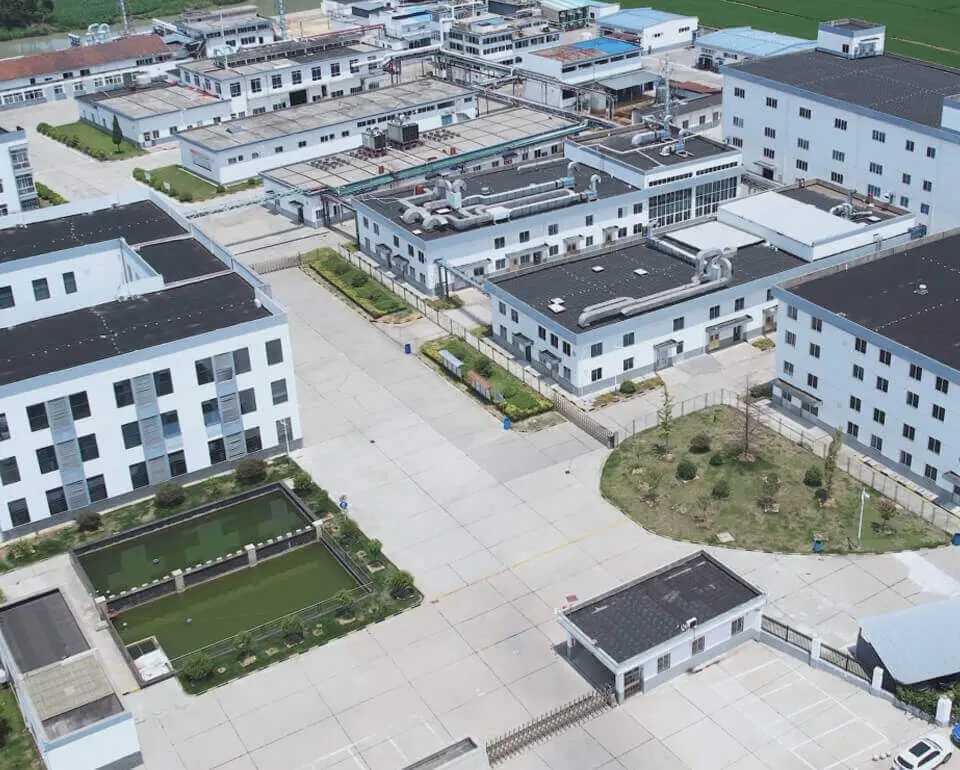
For pharmaceutical intermediates, quality cannot be created by final inspection alone. The final assay result is only one point in a much larger manufacturing chain that begins with raw-material qualification and continues through reaction control, purification, drying, packaging, storage, and batch release.
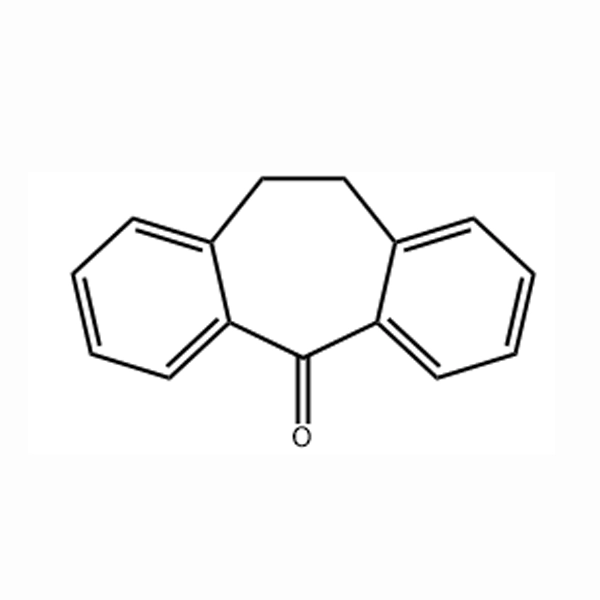
Moving a pharmaceutical intermediate from laboratory synthesis to commercial production is a process-engineering challenge as much as a chemistry challenge. Reaction kinetics, heat transfer, mixing, phase separation, crystallization, filtration, drying, and solvent recovery can all behave differently as batch volume increases.
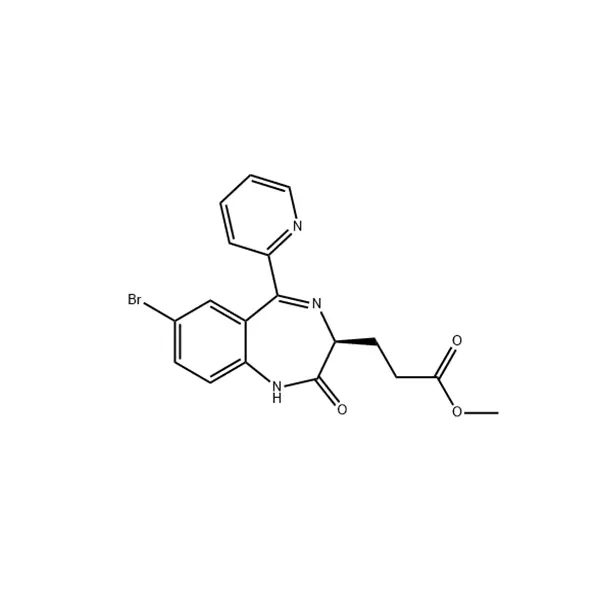
Prucalopride is a selective 5-HT4 receptor agonist used in the treatment of chronic constipation, and the quality of its upstream intermediates directly influences downstream synthesis, impurity control, process yield, and ultimately API manufacturing consistency. For pharmaceutical companies sourcing from a Prucalopride intermediates manufacturer China, the key question is not simply whether a supplier can provide the required intermediate. The more important consideration is whether the manufa

Developing a pharmaceutical route around a new intermediate is very different from purchasing a commodity chemical. A 2-Amino-4'-Bromobenzophenone intermediate supplier China needs to support a progression that may begin with laboratory samples, continue through process development and pilot production, and ultimately reach repeat commercial batches.
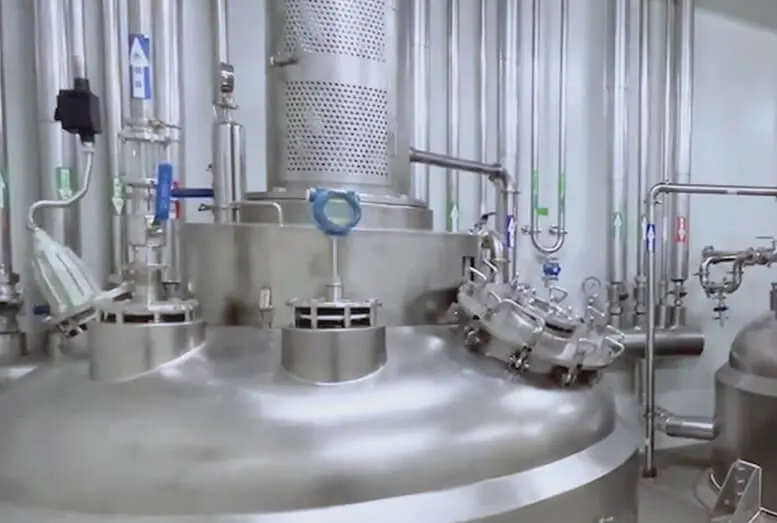
For pharmaceutical intermediate sourcing, the difference between a laboratory supplier and a production-capable manufacturer becomes increasingly important as demand increases. A 2-Amino-4'-Bromobenzophenone intermediate supplier China must be able to maintain chemical consistency while moving from development samples to repeat commercial batches.


 English
  Italian
  Spanish
  Thai
Thai  Japanese
  Portuguese
  Korean
  Russian
  French
  German
  Polish
  Arabic
  Indonesian


