
 English
  Italian
  Spanish
  Thai
Thai  Japanese
  Portuguese
  Korean
  Russian
  French
  German
  Polish
  Arabic
  Indonesian
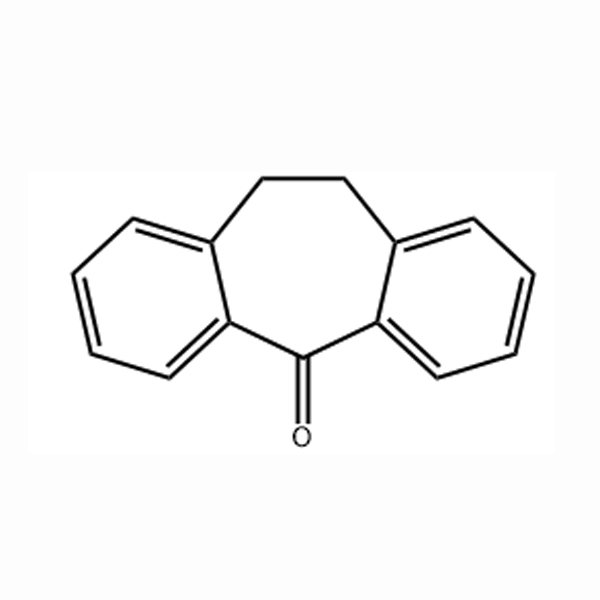
Selecting a Dibenzosuberone intermediate supplier for pharmaceutical synthesis requires a closer look at process control than the final assay value alone. Dibenzosuberone can enter downstream synthetic routes where variations in purity, related substances, residual solvents, moisture, and physical characteristics may influence reaction performance and purification efficiency. For development and commercial production, the supplier's ability to control these variables consistently is therefore a key technical consideration.

Why Process Consistency Matters for Dibenzosuberone
In pharmaceutical intermediate manufacturing, a raw material can meet a nominal specification while still show meaningful batch-to-batch differences. Two Dibenzosuberone batches may both meet an assay requirement but contain different levels of trace organic impurities or residual solvents. These differences can affect reaction kinetics, conversion, selectivity, or the impurity burden entering the next step.
This becomes more significant when a synthesis route has narrow process windows. If downstream chemistry depends on controlled reaction conditions, a variable starting material can introduce additional uncertainty into temperature, reaction time, catalyst loading, solvent ratio, or purification requirements.
A qualified Dibenzosuberone intermediate supplier should therefore establish process parameters that are linked to critical quality attributes. The objective is not simply to produce material that passes final testing, but to build a manufacturing process capable of repeatedly producing material within the required quality range.
Reaction Engineering and Manufacturing Capability
The production process determines the impurity profile that must ultimately be controlled. Reaction temperature, pressure, reaction time, solvent selection, catalyst performance, reagent ratios, and reaction quench conditions can all influence the formation of by-products.
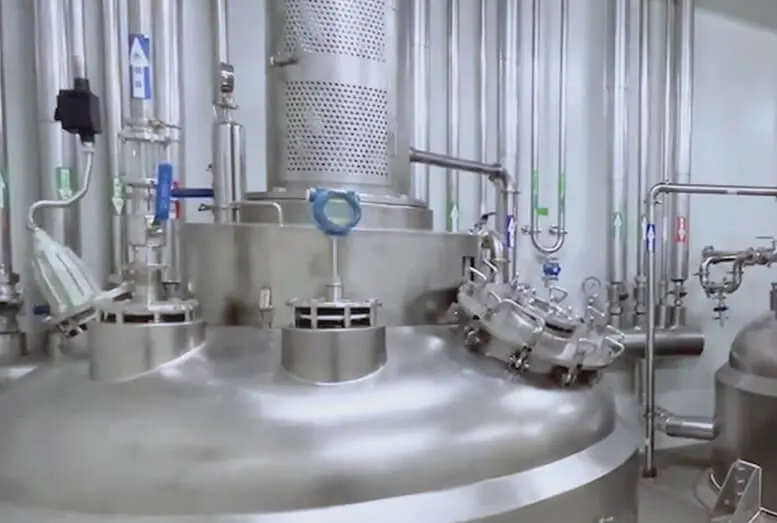
Jiangsu Jingye Pharmaceutical has manufacturing capabilities covering high-temperature and high-pressure reactions, hydrogenation, chiral synthesis, and high-vacuum distillation. These capabilities provide a broader technical foundation for developing and controlling pharmaceutical intermediate processes.
High-temperature or high-pressure chemistry requires appropriate equipment, instrumentation, process monitoring, and safety controls. Hydrogenation processes require controlled management of reaction conditions and hydrogen-related risks. High-vacuum distillation requires stable vacuum performance and suitable separation control when purification depends on volatility differences.
For customers assessing a supplier, these capabilities are relevant because they indicate whether the manufacturer has the process engineering infrastructure required to manage complex synthesis and purification operations.
Impurity Control Should Be Considered Early
Impurity control should begin at the process-development stage rather than being treated solely as a final QC activity. Understanding where impurities originate allows the manufacturer to establish appropriate controls at critical points in the production process.
Potential sources include raw-material impurities, incomplete reactions, side reactions, catalyst residues, solvent residues, degradation products, and purification-related carryover. The actual impurity profile depends on the specific manufacturing route and should be established through analytical evaluation rather than assumptions.
For downstream pharmaceutical synthesis, consistent control of related substances is particularly useful. If the starting material introduces variable impurities, the next synthetic step may require additional purification or produce a more complicated impurity profile.
A supplier with integrated R&D and manufacturing capabilities can use production data to improve process robustness and reduce unnecessary variation between development and commercial batches.
Analytical Testing Supports More Reliable Manufacturing
Analytical testing provides the evidence that a production batch meets the agreed specification. However, its value extends beyond final release.
Modern pharmaceutical intermediate manufacturing may require analytical monitoring at multiple stages, including raw-material inspection, in-process testing, intermediate testing, and final product release. Depending on the agreed specification, relevant parameters can include assay, related substances, residual solvents, moisture, and other physical or chemical characteristics.
Advanced analytical instruments also support process investigations when an unexpected result occurs. For example, if a batch shows a change in impurity distribution, analytical data can help determine whether the cause originated from raw materials, reaction conditions, work-up, or purification.
This type of analytical feedback is particularly valuable during scale-up, because reaction behavior can change as vessel volume, heat transfer, mixing, and mass transfer conditions change.
Scale-Up Requires More Than Larger Equipment
Moving from laboratory synthesis to commercial production is not simply a matter of increasing batch size. Heat transfer, mixing efficiency, reaction mass characteristics, pressure control, addition rates, and purification performance can all change with scale.
A Dibenzosuberone intermediate supplier should therefore have appropriate experience in translating laboratory or pilot processes into controlled manufacturing operations. Process parameters should be defined based on actual equipment capability rather than laboratory assumptions.
For example, a reaction that reaches the target temperature rapidly in a small reactor may require a different heating profile at production scale. Similarly, mixing behavior can affect reagent distribution and reaction uniformity. These factors can influence impurity formation and final yield.
A supplier with its own R&D and production infrastructure can shorten the feedback loop between process development and manufacturing. This can be particularly useful when a customer is moving from route screening into pilot or commercial production.
High-Vacuum Distillation and Purification Control
Purification is often a decisive step in intermediate manufacturing because the final quality of a compound depends not only on the reaction conversion but also on effective separation of unwanted components.
High-vacuum distillation can provide a controlled separation approach for suitable chemical systems by reducing boiling temperatures under reduced pressure. This can help manage thermal exposure while separating components according to their volatility.
However, distillation performance depends on equipment configuration, vacuum stability, feed composition, temperature control, and operating conditions. It should therefore be considered as part of an integrated manufacturing process rather than as an isolated equipment capability.
For customers requiring consistent Dibenzosuberone quality, the supplier should be able to explain how purification is controlled and how the process maintains the specified quality range across different production batches.
GMP-Based Quality Management
A pharmaceutical intermediate supplier should have documented systems covering production, quality control, equipment management, traceability, personnel training, and deviation handling.
Jiangsu Jingye Pharmaceutical operates under GMP standards and maintains a quality management system supported by modern production facilities and analytical instruments. The company also holds ISO9001 certification, together with ISO14001 and GB/T 45001 certifications covering environmental and occupational health and safety management.
These systems provide a structured framework for controlling manufacturing activities. For international customers, they can also support supplier qualification, technical audits, documentation review, and ongoing quality management.
The practical value of a quality system is reflected in its ability to maintain controlled manufacturing conditions and provide traceable records when deviations or quality investigations occur.
Documentation and Technical Communication
A reliable supply relationship requires clear technical documentation before production begins. The agreed product specification should define the relevant quality parameters and analytical requirements. Packaging, storage, labeling, batch documentation, and shipping conditions should also be established according to the application and destination market.
For development projects, customers may also need representative analytical data, production information, or technical discussions concerning specification changes. These requirements are easier to manage when the supplier has both technical and commercial teams capable of supporting international communication.
Jiangsu Jingye Pharmaceutical has long-term cooperation with universities and research institutions and exports products to Europe, America, Southeast Asia, Japan, and South Korea. This combination of technical development and international market experience can support projects that move across multiple stages of pharmaceutical development.
What to Verify Before Supplier Qualification
A technical supplier assessment should examine several connected factors rather than relying on price or a single COA. The manufacturing route, impurity-control strategy, analytical capability, production scale, quality management system, EHS controls, documentation, packaging, and international logistics should all be considered.
Batch history is especially useful when available. Reviewing multiple batches can reveal whether key quality attributes remain stable over time. If the customer has a specific downstream process, discussing its critical requirements with the supplier can also help identify whether additional specifications are necessary.
The goal is to establish a supply relationship where the material specification, manufacturing process, analytical controls, and downstream application are technically aligned.
Building a Stable Dibenzosuberone Supply Program
Dibenzosuberone intermediate sourcing becomes more predictable when supplier qualification is based on process capability rather than product description alone. Consistent reaction control, effective purification, analytical verification, GMP-based management, and scalable manufacturing together determine whether a supplier can support a long-term pharmaceutical intermediate program.
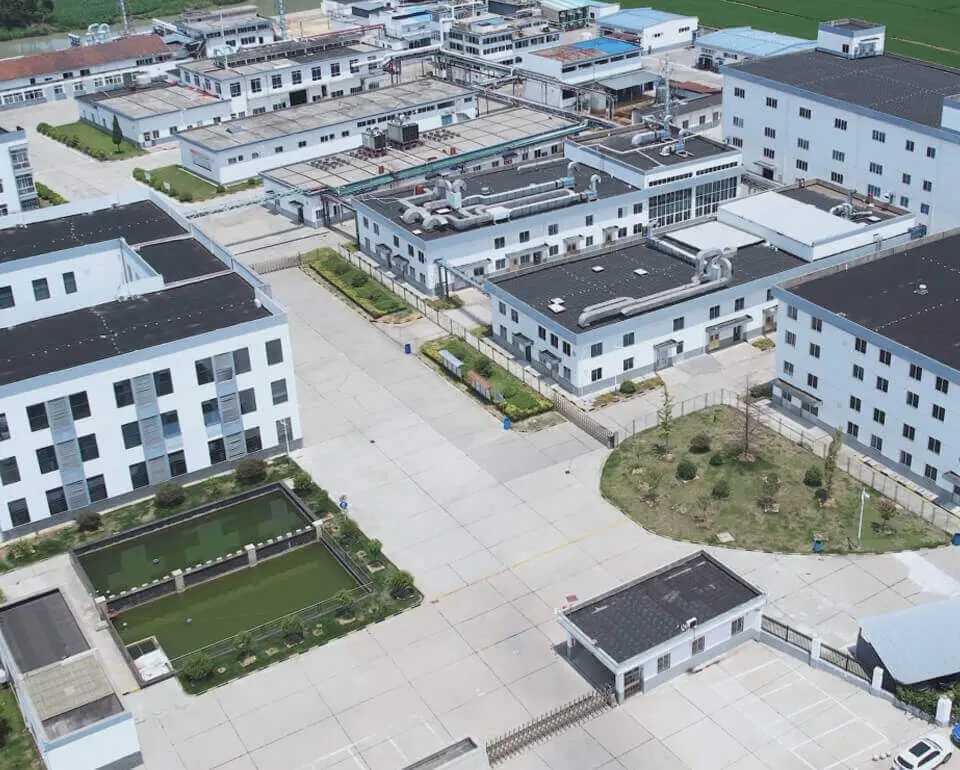
For Jiangsu Jingye Pharmaceutical, integrated R&D, manufacturing, analytical capabilities, a 50,000-square-meter production site, and international supply experience provide the infrastructure needed to support pharmaceutical intermediate development and production. For customers evaluating a Dibenzosuberone intermediate supplier, these capabilities can be assessed alongside the specific material specification, required volume, downstream application, and quality documentation needed for the project.